![[Infographic] Content Marketing in Manufacturing: What Works, What Needs Work](https://fronetics.com/wp-content/uploads/2015/08/Infographic-content-marketing-in-manufacturing-801x675.png)
by Elizabeth Hines | Aug 11, 2015 | Blog, Content Marketing, Manufacturing & Distribution, Marketing, Social Media, Supply Chain
Manufacturing is experiencing a graying of its industry. With millions of workers at or near retirement age, many top posts are occupied by workers who have seen radical changes in the workplace over the course of their careers. And while executives have largely embraced advances in technology to transform the operations side of manufacturing, research shows they’ve been slow to adapt marketing and sales processes using emerging digital tools and technology.
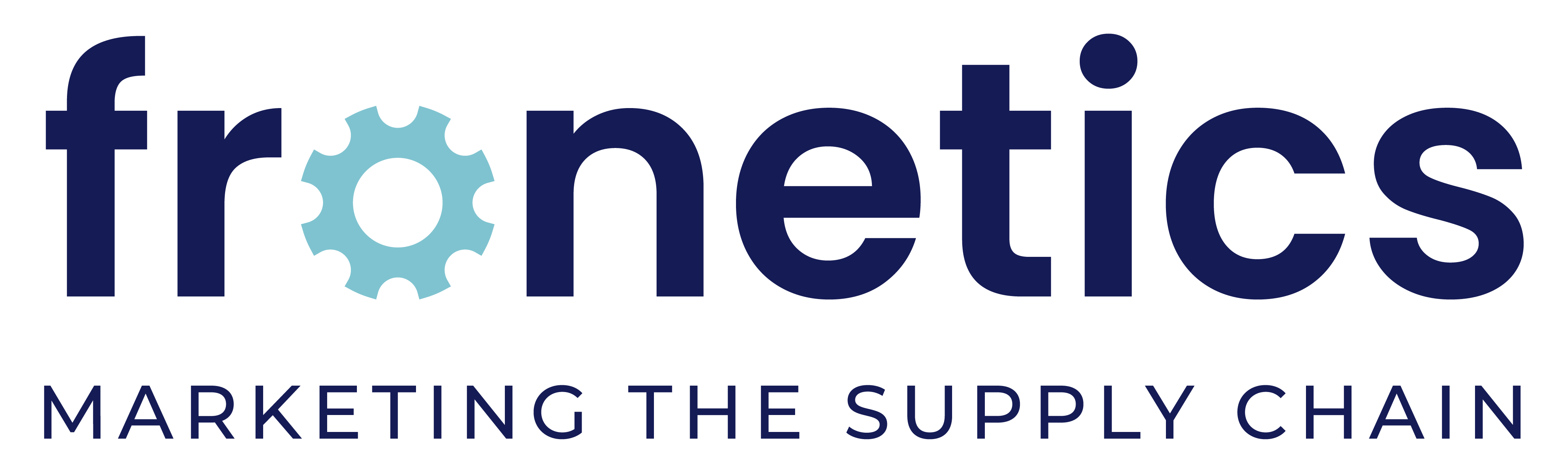
Earlier this year the Content Marketing Institute released its annual report on the current state of content marketing within the manufacturing industry. This year’s report shows that the manufacturing industry continues to make strides in leveraging digital tools for sales and marketing purposes. Still, because these efforts are fairly new, the report also captures a sense of ambiguity about these new marketing strategies, particularly when it comes to measuring program success. Other notable findings from the study reveal that more than two-thirds of manufacturers are using content marketing to build brand awareness, boost sales, and generate leads. The report also uncovers some marked changes between the most recent report and last year’s report; there has been a shift in both the way manufacturers are choosing to distribute content and their perceived effectiveness of those tactics.
Check out our Infographic for a more detailed look at the report’s findings:
Fronetics Strategic Advisors is a leading management consulting firm. Our firm works with companies to identify and execute strategies for growth and value creation.
Whether it is a wholesale food distributor seeking guidance on how to define and execute corporate strategy; a telematics firm needing high quality content on a consistent basis; a real estate firm looking for a marketing partner; or a supply chain firm in need of interim management, our clients rely on Fronetics to help them navigate through critical junctures, meet their toughest challenges, and take advantage of opportunities. We deliver high-impact results.
We advise and work with companies on their most critical issues and opportunities: strategy, marketing, organization, talent acquisition, performance management, and M&A support.
We have deep expertise and a proven track record in a broad range of industries including: supply chain, real estate, software, and logistics.


by Elizabeth Hines | Aug 4, 2015 | Blog, Content Marketing, Logistics, Marketing, Supply Chain
Do reverse logistics companies need to focus on content marketing? Yes.
Should they use LinkedIn? Yes. Twitter? Yes. YouTube? Yes. Yes. Yes. Should they blog? Yes!
Several reverse logistics companies are already using content marketing in an effort to connect with peers and potential B2B consumers. IT Asset Disposal (ITAD) company, TradePort, has an informative blog and utilizes LinkedIn, Facebook, and Twitter. The large 3rd-party logistics (3PL) company, Unyson, utilizes the top B2B social media outlets with just under 2,000 followers on Twitter and just over 3,000 followers on LinkedIn. On the homepage of their website you can view a running tally of how much money they have saved their customers. At the time of the writing of this blog it’s at $2,055,763,398.
What the studies show:
The Content Marketing Institute reports that 8 out of 10 people identify themselves as blog readers, and 23% of all time spent online is spent on social media sites. With the rise of the blog, companies have gotten smart about how to reach their current and potential consumers. According to Forbes, many brands are moving their advertising budgets from television to online videos.
In the B2B world things are changing, too, with many executives wanting to gain information through other mediums. The Content Marketing Institute also reports that a majority (80%) of business decision-makers prefer to get information from articles rather than through advertisements.
We know that inbound marketing is effective in garnering consumers’ attention. It’s aligned with a generation of people who want to be educated about the products they’re buying and who are willing to search for those products online. Even with all of this known, it’s important to ask: what is the ROI when it comes to content marketing?
Return on Investment
In order to calculate ROI, the cost of content marketing needs to be assessed:
- salaries (if going in-house)
- marketing agency or contractor services
- additional overhead
- distribution costs
- design and publication software
After those costs have been calculated, the next step is to subtract that number from the revenue generated. The Guardian has put forth its simple content marketing ROI calculator:
(Revenue Generated – Cost of Content Marketing) / Cost of Content Marketing = ROI
According to the newspaper, “A simple calculation could say that you drove 1000 visits through a piece of content, and Google Ads would have cost £1 per click, e.g. £1000 to equal the same. If the content only cost £500, you have a saving!”
But with most seemingly simple things, there’s complexity underneath. Dig deeper and ask more questions:
- Is the money you’re spending on inbound marketing deterring other, less obvious, costs?
- Would it have cost you more through outbound marketing methods to achieve that same level of visibility than through inbound marketing solutions?
- Is inbound marketing bringing in customers or closing a deal more quickly than alternative methods (time is money, after all)?
- Is inbound marketing cutting down the need for staffing in other areas, such as support staff to manage inquiries or support calls?
Some incalculable values from inbound marketing, like consumer preferences, content intelligence, customer relationship strategies, and branding can be hard to tie to a number, but over time you will see that your ROI will become more clear to you as you generate leads, turn leads into customers, and see the result in the form of money gained (American dollars or British pounds!).
There are several ways to measure ROI. Reverse logistics will continue to grow in importance as regulations increase and the environment continues to come to the forefront as an ethical and practical issue. Content is king, so consider it, measure it, and go for it.
Fronetics Strategic Advisors is a leading management consulting firm. Our firm works with companies to identify and execute strategies for growth and value creation.
When it comes to marketing we work with our clients to create and execute strategies that drive success and elevate their brand position within the industry. Unlike other firms, we align marketing programs with business objectives and, through a data driven approach, are able to deliver results with a targeted ROI. Our team is comprised of strategists, marketing professionals, writers, designers, and experts in social media. Together we leverage our experience to increase brand awareness, position our clients as thought leaders, drive meaningful engagement with prospects and customers, and help businesses grow.
![DIY fail-proof content marketing strategy [eBook]](https://fronetics.com/wp-content/uploads/2015/06/content-marketing-strategy-1080x675.jpg)
by Elizabeth Hines | Jun 16, 2015 | Blog, Content Marketing, Marketing, Strategy
95% of B2B enterprise marketers and 86% of B2C marketers use content marketing. The down and dirty is that content marketing works. Content marketing attracts leads and converts leads to customers – and it does so at a lower cost than traditional marketing (and in a much less invasive manner). Here are some cold hard stats:
- 80% of business decision-makers prefer to get information from articles rather than through advertisements
- Inbound leads cost 60% less than outbound leads
- Adopting an inbound strategy doubles average website conversion rates, from 6% to 12%
The reality is that content marketing works. Customers are no longer responding to interruption-based marketing as they once did. They’re ignoring overt sales pitches and looking instead to peers, social networks, and search engines. In short, it’s all about content these days. Companies within every industry – from fashion to fishing – are creating and curating relevant and valuable content and using it to engage prospects and connect with customers.
We have created a DIY fail-proof strategy for connecting with prospects and building brand awareness by creating and distributing amazing content – our content marketing eBook. Earn the attention of your prospects and customers by using this checklist to develop a solid content marketing strategy. In it, you’ll find step-by-step instructions, templates, lists, and samples to get your content marketing program up and running.


by Elizabeth Hines | Jun 15, 2015 | Blog, Content Marketing, Data/Analytics, Marketing
It’s impossible not to recognize that the business world is changing. Whether it’s the fall of the travel agent as people migrate towards online booking, or the irrelevance of the compact disc as Spotify and iTunes changed the music industry, or how advertising is done. Outbound marketing, such as print ads, TV ads, banner ads, trade shows, telemarketing, and direct mail are no longer what consumers are requiring. According to Forbes, many brands are moving their advertising budgets from television to online videos. The Content Marketing Institute reports that 8 out of 10 people identify themselves as blog readers, and 23% of all time spent online is spent on social media sites. With the rise of the blog, companies have gotten smart about how to reach their current and potential consumers.
In the B2B world things are changing, too, with many executives wanting to gain information through other mediums. The Content Marketing Institute also reports that a majority (80%) of business decision-makers prefer to get information from articles rather than through advertisements.
We know that inbound marketing is effective in garnering consumers’ attention. It’s aligned with a generation of people who want to be educated about the products they’re buying and who are willing to search for those products online. Even with all of this known, it’s important to ask: what is the ROI when it comes to content marketing?
According to Search Engine Journal, inbound leads cost 60% less than outbound leads. In the Harvard Business Review article, How to Profit from “Lean Advertising”, the shoe company DC Shoes is profiled as a model for inbound marketing. In an industry where star athletes are profiled in big-production advertisements via TV commercials, billboards, and magazine ads, the skateboard shoe company decided to take a different route. According to the 2013 HBS article, “Over the past four years they have gotten more than 180 million views—and in 2011 alone, sales jumped 15%. One was YouTube’s most-shared video of 2011; another garnered a million views in its first 24 hours. Paying online media for this type of exposure would cost upward of $5 million.”
Like any new tack in business decisions, relying on case studies from other businesses is helpful, but cost needs to be considered. In order to calculate ROI the cost of content marketing needs to be assessed:
- salaries (if going in-house)
- marketing agency or contractor services
- additional overhead
- distribution costs
- design and publication software
After those costs have been calculated, the next step is to subtract that number from the revenue generated. The Guardian has put forth its simple content marketing ROI calculator:
(Revenue Generated – Cost of Content Marketing) / Cost of Content Marketing = ROI
According to the newspaper, “A simple calculation could say that you drove 1000 visits through a piece of content, and Google Ads would have cost £1 per click, e.g. £1000 to equal the same. If the content only cost £500, you have a saving!”
But with most seemingly simple things, there’s complexity underneath. Dig deeper and ask more questions. Is the money you’re spending on inbound marketing deterring other, less obvious, costs? Would it have cost you more through outbound marketing methods to achieve that same level of visibility than through inbound marketing solutions? Is inbound marketing bringing in customers or closing a deal more quickly than alternative methods (time is money, after all)? Is inbound marketing cutting down the need for staffing in other areas, such as support staff to manage inquiries or support calls?
Some incalculable values from inbound marketing, like consumer preferences, content intelligence, customer relationship strategies, and branding can be hard to tie to a number, but over time you will see that your ROI will become more clear to you as you generate leads, turn leads into customers, and see the result in the form of money gained (American dollars or British pounds!).

by Jennifer Hart Yim | Jun 11, 2015 | Blog, Content Marketing, Marketing
This is a guest post written by Thijs Messelaar. Thijs has more than 15 years’ experience writing, developing content, and informing marketing strategy for various clients, including high tech, higher education, and highly-rated restaurants.
The best content marketing feels like a great story.
In fact, in many ways content marketing gets the most results because it IS a great story. It captures your imagination. It challenges you. It asks for your trust. And, if it’s truly tops, the payoff is big.
In order to get results from your content, a solid content marketing strategy must be in place. No doubt about it. Simply just creating incredible content and walking away from it probably isn’t going to get you what you want.
Key Content Marketing Channels
Content marketing requires a careful scientific approach in order to get results. Content needs to be curated, cajoled, packaged, posted, pruned, repurposed, prettified, shared, shorn, shifted, pushed out, and run up the flagpole.
To get results from your content, your content will have to be created for and/or distributed through key marketing channels like these:
- Your website assets
- Blog
- Landing pages
- Case studies
- Team (clout)
- Accolades and awards
- Resources
- Videos
- Surveys and quizzes
- Infographics
- E-books
- White papers
- Email
- SEO (onsite)/SEM (AdWords)
- Apps
- Social media (organic)
- Retargeted ads (web and social media)
- Social media ads, promoted posts, offers
- Webinars, trainings, and mini-courses
- Podcasts (audio and video)
You need to organize and optimize your sales pipeline by identifying your goals, audience, and your content marketing channels. And like a good scientist, you’ll have to analyze your results and revise your approach, over and again and again.
Examining all aspects of your content marketing strategy – creation, distribution, engagement – on your content marketing ROI is essential.
The Magic of Content Marketing
But without producing the most interesting, the most useful, the most delicious writing, design and ideas to place in these various channels, your content marketing will be dead in the water.
Great content marketing moves you to do something new and unfamiliar. Or it makes you understand something familiar in a new way. And like a really good story, you want to share good content with everyone. It’s affirming (or reaffirming) and engaging and makes you feel its magic. The magic of content marketing that gets results may be found in the sense of clear authority it imparts.
But the magic of a great story is something intangible. It comes from a true place within you (your soul, let’s say) – and connects with your audience (their souls).
But much of the best content marketing is built on novel, engaging, social, physical, and emotional experiences – not solely on rote data analysis.
Douglas Van Praet advances this relatively controversial take on current marketing practices. “We need to generate smiles, tears, or goose bumps—not significant differences correlated at the 95% confidence interval! These are the things that […] data tabulations will never capture, but they are also the things that make us buy brands,” he writes.
Likewise, these key content marketing attributes are also the essential characteristics of our most favorite and enduring stories.
If yours is merely content created for the sake of just churning more content – that is, if you don’t care much for what you’re writing about – your audience won’t care much either. It will curdle the moment they consume it.
Without moving your audience emotionally, you won’t have excited them intellectually, you won’t have made them care about you or gained their valuable (and venerable) trust. And surely your audience won’t hold your story “near-and-dear” to their hearts in a way that compels them to retell it to everyone and anyone who will listen.
The overall result? Well, poor results from your content marketing and ultimately a weakening of your brand’s standing.
Start your content creation from the soul by being yourself and talking about what you love. You’ll make connections and grow your audience just as the best storytellers have always done.
In the end, you’ll succeed with content marketing in ways you never might have imagined possible – and feel good doing it.
That in itself will be a story worth telling.