by Elizabeth Hines | Dec 10, 2014 | Blog, Leadership, Strategy, Talent
 Kate Lee, the senior director of research and strategy at Fronetics Strategic Advisors, has been named by Procurious as one of the 24 Most Influential People in Procurement.
The online business network for a new generation of procurement and supply chain professionals compiled the list to show who “you should be connecting with.”
Kate said she was “honored” by the recognition.
“The network and its members are not only industry leaders, but also leaders in innovation,” Kate said. “Procurious has more than 2,000 members from more than 70 countries and I’m thrilled to be part of such a niche social network.”
For the past 20 years Kate has worked with a range of people from senior executives at Fortune 500 companies to academics to refugees. At Fronetics Strategic Advisors, a management consulting firm focused on strategy and inbound marketing for the logistics and supply chain industries, Kate said she has been able to build a strong team which provides clients with unmatched service and value.
“I am proud of the team and our efforts in helping companies develop and implement inbound marketing and strategies that create results,” Kate said.
Kate is a newcomer on the Procurious list that also includes profiles such as ‘Local Producer’ AKA Brian Heinen, a driving force behind LinkedIn biggest groups for supply chain and sourcing professionals; Paul Snell, managing editor of Supply Management and Supply Business magazines; Hal Good, another LinkedIn power player in procurement with 13.5K followers on Twitter; and Tim Hughes, a top 35 UK blogger with 81.9K Twitter followers.
Procurious also cited the Fronetics Twitter account as a reason to welcome Kate into the mix.
The recognition of Kate read, in part: “The Fronetics’ Twitter account is both super-active and full of fascinating insights related to the profession.”
Kate again credited her team for the success:
“It comes down to the wonderful team at Fronetics,” she said. “We are committed to providing the industry with industry news as well as information on how to create and implement strategies that will create value.”
She continued:
“Additionally, we love engaging with individuals and companies within the industry via LinkedIn, Twitter, and our blog.”

by Elizabeth Hines | Nov 27, 2014 | Blog, Leadership, Marketing, Strategy
The Dunkin’ Donuts in Boston’s Back Bay Station is a well-oiled machine. The whole process – ordering a cup of coffee, paying, and receiving said coffee – takes seconds. The experience is something reminiscent to Seinfield’s Soup Nazi.
For customers who frequent this Dunkin’ Donuts expect this. They have timed their commute down to the minute and they know that if they can move through a line of 30 or so people in seconds – and make the train. For customers who don’t frequent this Dunkin’ Donuts the experience can be jarring.
On the other hand, there is a small coffee shop I visit in Maine. It takes minutes (think two digit numbers) to get a cup of coffee, and then more minutes to pay. Customers who frequent this coffee shop savor this time that it takes to get their coffee. The minutes waiting allow for conversations or quiet meditation.
Watching someone new enter the coffee shop is always interesting. There are those that start to wait in line and then leave when, after minutes, they are no closer to getting coffee. There are others who wait it out, checking their watch or smart phone every few seconds as if this will speed up the process. These people generally leave in cloud of frustration.
These two businesses know their customers. They have taken the time to understand what the needs are of the customer and they have tailored their business to address these needs.
To grow your business you need to take the time to determine who your target customer is, what their needs are, and how you can address these needs and bring value to the customer.
by Elizabeth Hines | Nov 18, 2014 | Blog, Logistics, Marketing
 Cerasis is a top North American third party logistics company offering logistics solutions with a strong focus on LTL freight management. In 2012 the company decided to move from a traditional approach to marketing (ads in print publications and a heavy reliance on referrals) to a digital strategy – inbound marketing.
Within 25 months:
- Visits to the Cerasis website increased by 1,141%;
- Visits to the company blog increased from zero to 46,404;
- Traffic driven by social media increased by 376,150%;
- Organic traffic increased by 4,066%.
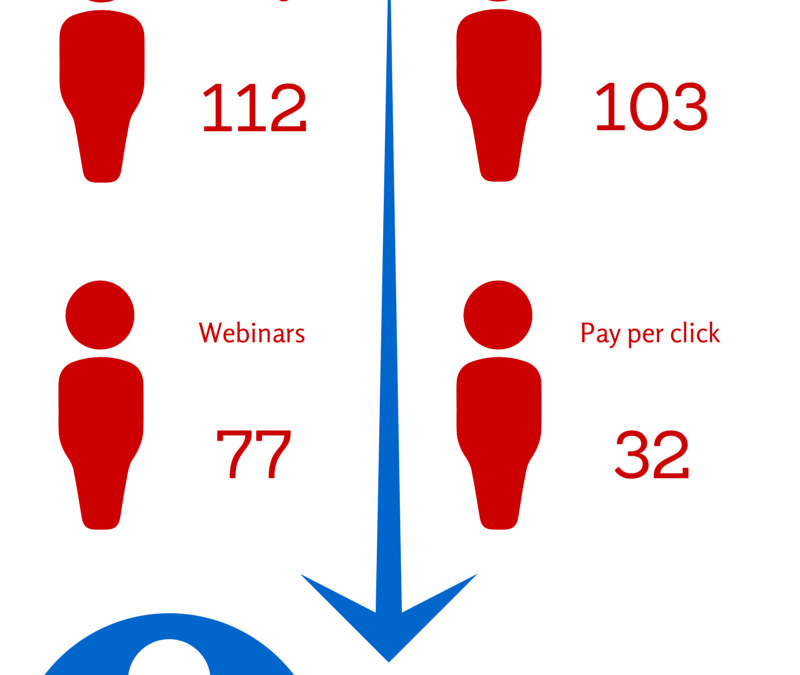
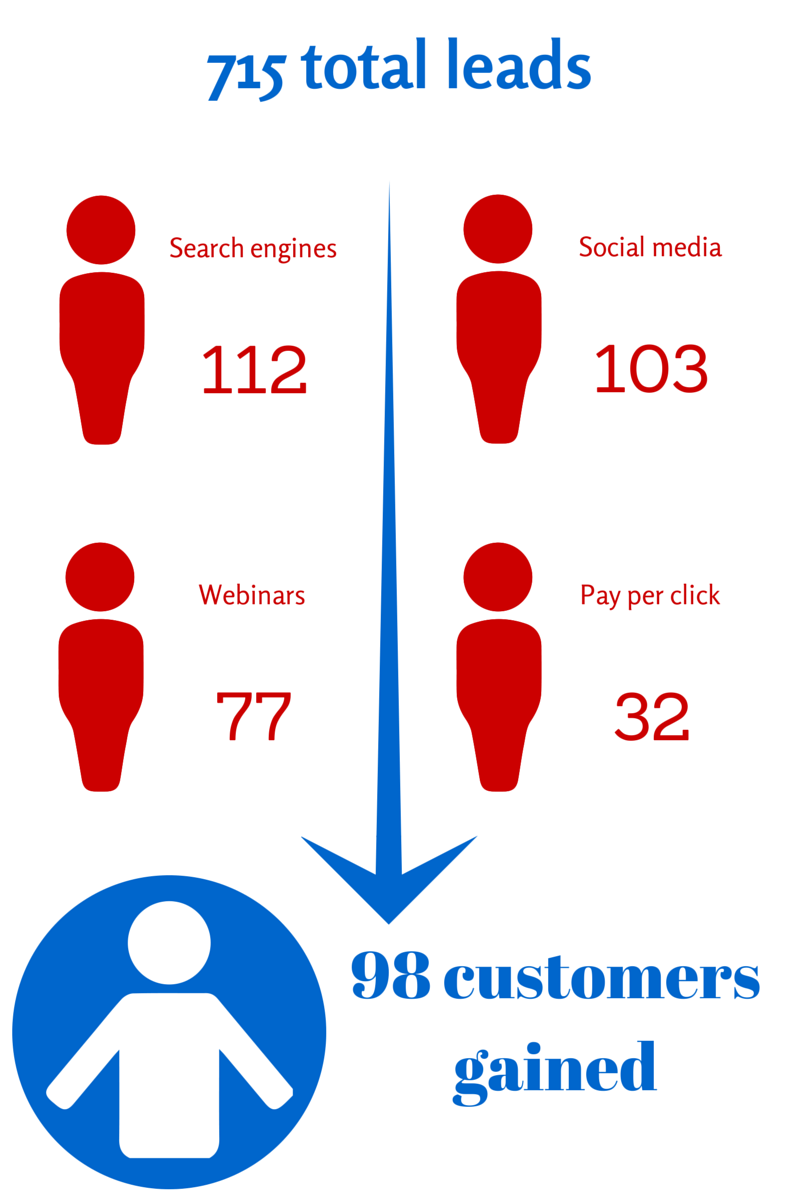
Moreover, Cerasis gained 715 leads. Fourteen percent of these leads converted to customers. The 98 new customers Cerasis gained through their inbound marketing efforts generated a 14% increase in revenue.
To learn more about Cerasis’ approach to inbound marketing and for more results, download the case study: 3PL company Cerasis acquires 98 customers through inbound marketing.

by Elizabeth Hines | Nov 13, 2014 | Blog, Marketing, Social Media, Strategy, Supply Chain
Founded in 1997, Cerasis is a top North American third party logistics company offering logistics solutions with a strong focus on LTL freight management. For 15 years the company utilized traditional marketing strategies – placing ads in glossy industry publications (print) and relying heavily on referrals. This strategy was effective. The company acquired new customers, retained current customer, and realized positive growth. However, Cerasis was not attracting larger and more sophisticated shippers, and brand awareness was low. Moreover, Cerasis was not perceived as a leader within the industry. The company recognized that in order to catch the attention of their preferred customers, increase brand awareness, and be perceived as a leader within the industry they needed to make substantial changes to their marketing strategy. To overcome these challenges Cerasis decided to shift from their traditional approach to an inbound marketing strategy.
Strategy matters
Understanding that strategy is critical to success, Cerasis took the time to put a strategy in place. Taking a research-based approach to strategy development, Cerasis studied internal company data, trends, and metrics and conducted market research. Using this information Cerasis determined the type of messaging it wanted to share, identified their target audience (buyer persona), and identified the platforms it felt would be the most effective.
Adam Robinson, Director of Marketing at Cerasis, notes that the company took a measured approach:
“Once we had a strategy in place we needed to execute it. We started simply – we posted one piece of content each day.”
Revenue matters
Cerasis’ strategy paid off. Within 25 months Cerasis realized a 14% increase in revenue. This increase was directly attributable to inbound marketing. In addition this stream of revenue, the company’s sales team was able to generate revenue totaling $20 million during this period – more than double the previous two years combined. This can also be linked to the company’s inbound marketing efforts as they increased the company’s brand awareness and positioned Cerasis as a leader within the industry.
To learn more about Cerasis’s approach to inbound marketing and the results realized, download the case study: 3PL Cerasis acquires 98 new customers through inbound marketing.

by Elizabeth Hines | Sep 30, 2014 | Blog, Strategy, Talent
Are your sales reps as sold on your leads as you are?
In theory, it seems straight forward: You write engaging blog posts; you spread your unique as well as curated content via appropriate social media channels; you include calls to action; you watch your prospects take the bait; and, finally, you hand off a neat list of qualified leads to sales.
Sales, in turn, swiftly goes to work and the sale is a fact.
The reality is, as most of us know, far more muddled. You may be in the habit of dumping any lead, qualified or not, on sales. Sales, on the other hand, may be busy doing anything but tending to your leads. Hours go by. Hours turn into days. When sales finally do follow up, the lead has moved on.
Here is the bad news: Time kills even the most eager leads.
The 2014 Lead Response Report by InsideSales.com shows an undeniable connection between the time it takes to make contact with a prospect and the likelihood of converting that prospect into a customer. Since most companies will send out an automatic e-mail confirmation to anyone who has filled out an online form, the study looked specifically at the phone response rate, which it argues is a much more effective sales tool.
Consider a few of the findings:
- Fifty percent of buyers choose the vendor that responds first.
- The median first call response time was 3 hours and 18 minutes.
- Only a fraction of companies reply within five minutes.
That last number is important because another InsideSales study on lead response management found the following:
“Making a successful contact with a lead are 100 times greater when a contact attempt occurs within 5 minutes, compared to 30 minutes after the lead was submitted. Similarly, the odds of the lead entering the sales process, or becoming qualified, are 21 times greater when contacted within 5 minutes versus 30 minutes after the lead was submitted.”
If you need further proof that response rate matters, an article in Forbes on inbound marketing sums it up perfectly: “If your goal is to ‘pull your customer toward you’ in order to sell them something, then time is definitely of the essence.”
With these statistics in mind, it is more important than ever to ensure marketing and sales are aligned. Too often poor lead-to-customer conversion can be blamed on a disconnection between the two departments.
Work in partnership to establish a common sales funnel. Spell out who is in charge of each step of the sales process. It doesn’t matter who makes that first call to your qualified lead, but it is important that you know someone will actually pick up the phone with a sense of urgency.
Bear in mind: All your leads need to grow cold is time.