by Elizabeth Hines | Oct 2, 2014 | Big Data, Blog, Data/Analytics, Strategy, Supply Chain
Big data is big. It is revolutionary. It is transformative. But what the heck is it?
MIT’s Technology Review does a great job of outlining the hype and the confusion around big data:
“There is unanimous agreement that big data is revolutionizing commerce in the 21st century. When it comes to business, big data offers unprecedented insight, improved decision-making, and untapped sources of profit.
And yet ask a chief technology officer to define big data and he or she will stare at the floor. Chances are, you will get as many definitions as the number of people you ask. And that’s a problem for anyone attempting to buy or sell or use big data services—what exactly is on offer?”
Research conducted by Accenture highlights this dichotomy. Eight-nine percent of survey respondents reported that they believe big data will revolutionize business operations in the same way that the Internet did. Seventy-nine percent of respondents reported that “companies that do not embrace big data will lose their competitive position and may face extinction.” However, the research found that companies hold “differing views of data sources and uses,” and that “valuable data sources are omitted or overlooked.”
Big data and the supply chain
Accenture’s Global Operations Megatrends research looked at big data analytics in the supply chain. Ninety-seven percent of supply chain executive reported that big data analytics can benefit their supply chain. Their expectations for big data analytics include: creating an organizational ability to react more quickly to changes (48 percent); helping their company gain insights about the future (45 percent); and achieving a cross-functional view of the supply chain with the objective of optimizing overall supply chain performance (43 percent).
Although the majority of executives believe big data analytics will benefit their supply chain only 17 percent of survey respondents reported that their company has already implemented analytics in one or more supply chain processes/functions. Accenture makes this supposition:
“While there is considerable hype about, and a high level of general awareness of the value of, ‘big data,’ many companies still do not fully understand how to apply analytics to this data to drive higher supply chain (and overall enterprise) performance.”
Given Accenture’s research, as well as that conducted by Jonathan Stuart Ward and Adam Barker at the University of St Andrews in Scotland, I’d take this one step further. In spite of the hype (or perhaps because of it) there remains confusion regarding what big data actually is. Without a clear definition and understanding of big data, it is (and will continue to be) a challenge to implement big data analytics. Before we realize transformation we need to get to understanding.

by Elizabeth Hines | Sep 30, 2014 | Blog, Strategy, Talent
Are your sales reps as sold on your leads as you are?
In theory, it seems straight forward: You write engaging blog posts; you spread your unique as well as curated content via appropriate social media channels; you include calls to action; you watch your prospects take the bait; and, finally, you hand off a neat list of qualified leads to sales.
Sales, in turn, swiftly goes to work and the sale is a fact.
The reality is, as most of us know, far more muddled. You may be in the habit of dumping any lead, qualified or not, on sales. Sales, on the other hand, may be busy doing anything but tending to your leads. Hours go by. Hours turn into days. When sales finally do follow up, the lead has moved on.
Here is the bad news: Time kills even the most eager leads.
The 2014 Lead Response Report by InsideSales.com shows an undeniable connection between the time it takes to make contact with a prospect and the likelihood of converting that prospect into a customer. Since most companies will send out an automatic e-mail confirmation to anyone who has filled out an online form, the study looked specifically at the phone response rate, which it argues is a much more effective sales tool.
Consider a few of the findings:
- Fifty percent of buyers choose the vendor that responds first.
- The median first call response time was 3 hours and 18 minutes.
- Only a fraction of companies reply within five minutes.
That last number is important because another InsideSales study on lead response management found the following:
“Making a successful contact with a lead are 100 times greater when a contact attempt occurs within 5 minutes, compared to 30 minutes after the lead was submitted. Similarly, the odds of the lead entering the sales process, or becoming qualified, are 21 times greater when contacted within 5 minutes versus 30 minutes after the lead was submitted.”
If you need further proof that response rate matters, an article in Forbes on inbound marketing sums it up perfectly: “If your goal is to ‘pull your customer toward you’ in order to sell them something, then time is definitely of the essence.”
With these statistics in mind, it is more important than ever to ensure marketing and sales are aligned. Too often poor lead-to-customer conversion can be blamed on a disconnection between the two departments.
Work in partnership to establish a common sales funnel. Spell out who is in charge of each step of the sales process. It doesn’t matter who makes that first call to your qualified lead, but it is important that you know someone will actually pick up the phone with a sense of urgency.
Bear in mind: All your leads need to grow cold is time.

by Elizabeth Hines | Sep 25, 2014 | Blog, Strategy, Supply Chain
Repeat customers contribute to long-term profitability. To keep customers coming back you need to employ the right pricing strategy. What is the right strategy? Here is what to consider when setting prices:
Focus on value pricing
Value pricing is not the same as discount pricing. Rather, value pricing is pricing a product or a service based on what the customer believes it is worth. Price Intelligently puts it this way: “Customers don’t care how much something cost you to make or your competitors, they care how much value they’re receiving at a particular price.”
Figuring what your target customers believe should be the right price takes a lot of time and research. Because of this, many companies steer clear of value pricing. However, by focusing on value pricing you will be able to increase your long-term profitability, gain customers, and develop a following of loyal customers.
Neil Baron wrote a great article for Fast Company on how a dead squirrel taught him about value pricing. The long and short of it, according to Baron: “Many companies worry about the commoditization of their offerings and their inability to justify premium pricing — but if you figure out how to take care of your customers’ ‘dead squirrels,’ you’re golden.”
Make pricing flexible
Once you have determined your value price, don’t be rigid. Rather, set the price with a modicum of flexibility. Even a little flexibility will go a long way in terms of being able to adjust to customer’s needs and the needs of your company.
Eliminate complexity
Complex pricing not only creates a hosts of challenges, it also undermines the credibility of your company and turns off/away customers. Your pricing should be fair, direct, and easy to understand – both internally and externally.
By keeping these things in mind, you should be able to create a pricing strategy that will attract and retain customers – essential components of long-term profitability.

by Elizabeth Hines | Sep 23, 2014 | Blog, Marketing, Social Media, Strategy
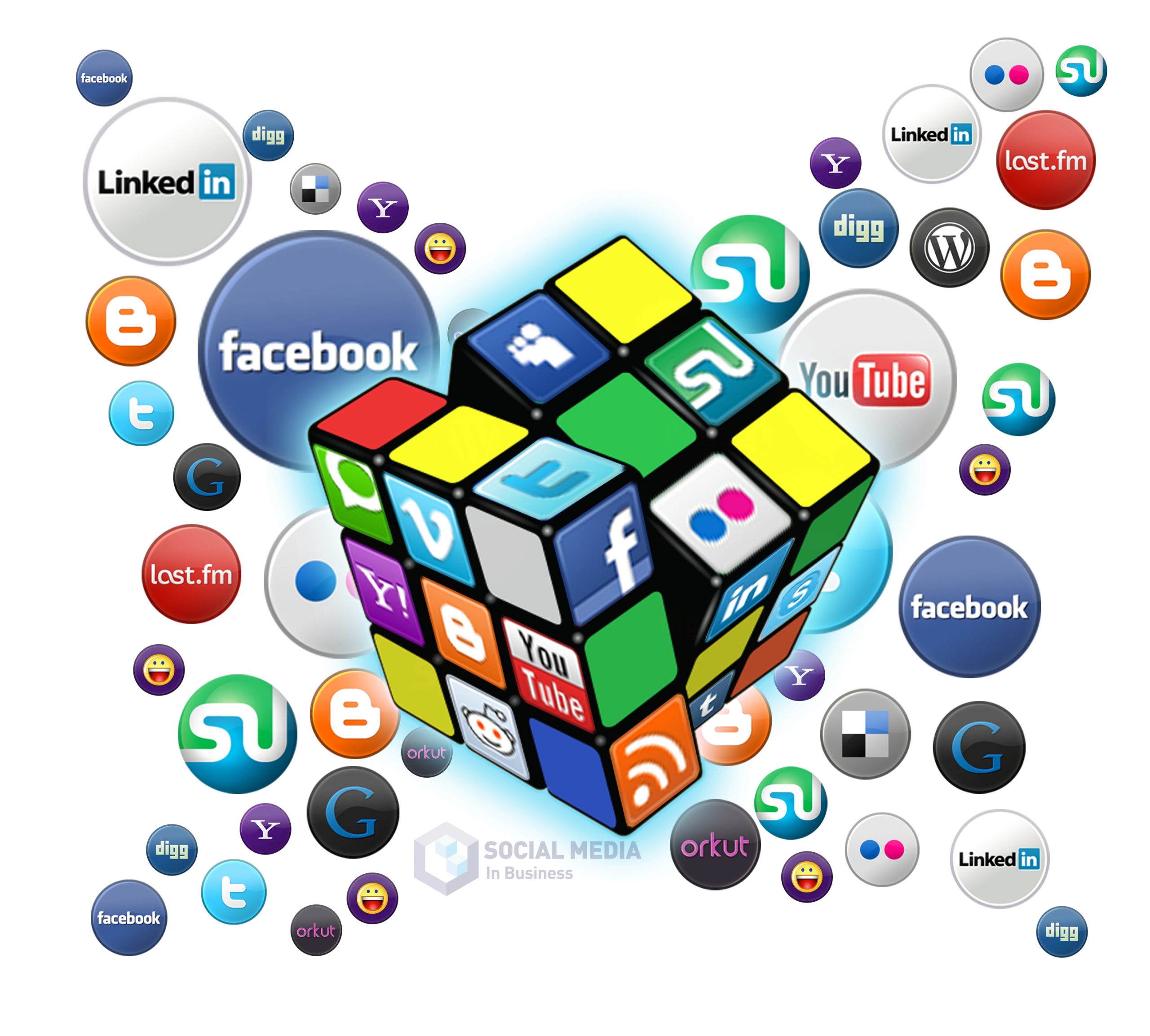
The number of social media channels is astounding –and is growing daily. Which of these channel(s) should your business leverage? Here is what you should consider when determining which social media channels you should use for your B2B business.
Your ideal customer
Who is your ideal customer and on which social media sites are they active? Taking time to understand who your customer is and understanding where they spend their time is invaluable. If you want to reach potential and current customers you need to be where they are – you need to make it easy for them to find you and to engage with your business.
Competition
Identify which social media channels your competition is using. Do these align with the channels your ideal customers are using?
Don’t be follower. If your research has shown that your potential customers are using a social media channel that your competitors are not using, don’t assume your competition knows something you don’t. Play where your potential customers play.
Content
What type of content do you have, and what type of content do you feel will best attract and engage potential customers? Video, for example, is better suited for YouTube than Twitter.
Finally, it is essential that your business is an active participant on social media. Only take on what your business can handle and/or consider outsourcing.

by Elizabeth Hines | Sep 18, 2014 | Blog, Marketing, Social Media, Strategy
I start most of my days like you. I hit the snooze button on my alarm and lay semi-awake thinking about all the things I should be doing. Then, 20 minutes later (where did the time go?!), I autopilot my way to the kitchen for a cup of coffee. While I sip my caffeine, I scan the news to see what I’ve missed overnight. I recently discovered a new perspective on the inordinate amount of time I spend reading the news each morning.
Most news stories innately hold a sales lesson. In short, reading the news can increase sales.
Here are three news stories and an accompanying sales takeaway.
When the Brooklyn Museum of Art discovered that a third of items in their Egyptian sculpture collection were fake, they found a way to create value for their patrons by putting them on display. In sales, it’s essential to create and articulate value for your leads and prospects.
Daniel Pink, author of several bestselling books on the changing world of work, wrote in a post for the Harvard Business Review:
… the transactional aspects of sales are disappearing. When routine functions can be automated, and when customers and prospects often have as much data as the saleswoman herself, the skills that matter most are heuristic: Curating and interpreting information instead of merely dispensing it. Identifying new problems along with solving established ones. Selling insights rather than items.
What value are you providing to your potential customers? Is it unique enough to cut through the noise?
As Buzzfeed explains, “when you type a Facebook status, suggestions are made to auto-tag other users. When you start typing “grandma”, it often suggests tagging the seminal hip-hop artist Grandmaster Flash.” The result looks something like this:
Happy Birthday, Abby! Have a wonderful day sweetheart. – Love, Grandmaster Flash
Take a moment to think about why this is happening. It’s because some Facebook users are signing their names to a post – just like they would in a letter.
We sometimes need to make assumptions in sales about the tools and processes of our leads and prospects, but it’s important to ensure we share the same understanding of how they are being used. Taking action, like segmenting our buyers, allows us to predict the behaviors and characteristics of buyers with some degree of certainty. Understanding both the proficiencies and limitations of each buyer segments enables us to more meaningfully connect with leads and prospects.
It took thirteen years for this woman to find the owner of the photo. Thirteen years. Her dogged persistence resulted in an exceptionally gratifying ending – the woman not only found the photo’s owner, but also received confirmation that all six people in the photograph were alive.
Spend some time reviewing each of your successful closes and you’ll probably notice that many of them have one thing in common: persistence. Conversely, can any past missed opportunities be contributed to a lack of perseverance? Note how you navigated both successes and disappointing outcomes and whether or not you maintained momentum throughout the sales process. Identify what went right and how you influenced that. Understanding how and why you were successful increases the likelihood of repeating that success.
There’s a lot of news out there, but it’s worth taking the time to appreciate the implications of a few each day. Doing so can help you draw noteworthy conclusions about human behavior and inform your efforts to successfully engage with prospects. So, tomorrow morning give yourself a few extra minutes with that cup of coffee while you read the news.

by Elizabeth Hines | Sep 17, 2014 | Blog, Marketing, Strategy, Supply Chain
At Fronetics we work with companies within the supply chain and logistics industries to reach their business and marketing goals. We work with our clients to identify and execute strategies that produce results.
As discussed in a previous post, too often I see companies who have invested time and money into developing a B2B inbound marketing strategy and have fallen flat. Reasons include: a lack of strategy and commitment; not targeting the ideal customer; not publishing content consistently; not creating quality content; and being too focused on sales.
Is your current marketing strategy working? Does your website attract and engage? Does your website generate leads? Does your company generate leads via social media?
How many times did you answer “I don’t know,” or “no?” Be honest.
We are offering a free marketing assessment. The assessment includes a discussion focused on your current goals and challenges, an evaluation of the competitive landscape, and actionable strategies to help you grow your business.
Don’t worry, there is no fine print and there are no obligations.