by Elizabeth Hines | Apr 3, 2019 | Blog, Content Marketing, Manufacturing & Distribution, Marketing, Supply Chain
Here’s why manufacturing marketers should skip the sales pitch and create content that prioritizes the needs of their target audience.
Highlights:
- Research indicates that only about half of manufacturing marketers are prioritizing their audience’s needs when creating content.
- Inbound marketing (like content marketing) is more effective than outbound marketing for B2B businesses.
- A documented strategy will help you get started creating focused, quality content.
One statistic is sticking out to me in the Content Marketing Institute’s Manufacturing Content Marketing 2019: Benchmarks, Budgets, and Trends report. According to the research, half (51%) of manufacturing marketers reported that they always or frequently prioritize their sales/promotional message over their audience’s informational needs when creating content for content marketing purposes.
Let’s think about that for a second.
A preponderance of manufacturing content marketers are, unfortunately, missing the point.
We’ve written before about why inbound marketing, like content marketing, is more effective for the supply chain than more traditional outbound marketing techniques. And while it’s true that “the supply chain is increasingly seeing the value of moving to an inbound marketing strategy,” the CMI’s research suggests that it’s taking some marketers a long time.
Why you should be putting your audience’s informational needs first
Why should you be emphasizing your audience’s informational needs over your promotional goals when creating content?
The short answer is: because your audience prefers it. One of the basic premises of content marketing is the recognition that, increasingly, your customers want much more from you than your product. For manufacturing marketers, this means that customers want value separate from and outside of the sales funnel.
Enter content marketing. Creating effective marketing content relies on accepting that your business has much more to offer than its primary products and services. In fact, your most valuable commodity, as we’ve often said before, isn’t any material or service — it’s the knowledge, expertise, and informed, unique perspectives you have to offer.
Strategize to put customers first
To successfully adjust your content marketing efforts to put your customers’ informational needs first, the first step is having a well-defined, measurable strategy — and documenting it. This means defining precisely who you’re trying to reach and developing a complete target buyer persona(s).
Once you’ve defined exactly who you’re trying to reach, it’s time to identify the unique questions, needs, and challenges this target buyer faces. Chances are, your business has not only the products to meet those needs, but also the information to answer question and offer valuable insights.
One of the benefits of a documented strategy, with clearly stated objectives, is that it allows you to set up metrics and evaluate your successes and shortfalls. This is where you can start listening to your target buyers. You can even solicit responses from them via email and social media that will allow you to target and hone your efforts in the future.
Meeting manufacturing marketers’ challenges
The CMI’s research reinforces the fact that manufacturing marketers face unique challenges. The top reported challenge was “creating content that appeals to multi-level roles within the target audience.”
According to Achinta Mitra, founder of Tiecas, an industrial marketing consultancy, “Buying decisions are made by a committee and very rarely, if ever, by an individual. Some of these stakeholders may never interact with your content or visit your site.”
Essentially, there are various types of buyers with various needs — meaning their content needs are different. Mitra advises bringing “subject matter experts to the forefront, and letting marketing do the heavy lifting in the background.” He bases his advice on the belief that “one engineer to another is a powerful concept for earning trust, gaining credibility, and winning the mindshare of engineers and industrial professionals.”
If you’re thinking beyond downloads when creating content, and truly prioritizing quality information, your content will function broadly throughout the complex manufacturing buyer’s journey.
Related posts:
by Elizabeth Hines | Mar 26, 2019 | Blog, Content Marketing, Logistics, Marketing, Supply Chain, Video Marketing
The popularity of video marketing is on the rise, and savvy supply chain marketers are using this medium to tell their brand’s story, broaden their audience, and generate leads.
Highlights:
- Use video to tell your brand’s story, broaden your audience, and generate leads.
- As marketing expands in a more visual direction, marketers should adjust their strategies to favor content that lends itself to this kind of storytelling.
- Consider accompanying data-heavy blog posts with explanatory animated videos, conducting and sharing video interviews with industry executives, or turning a case-study into an animated video presentation.
Video transcript:
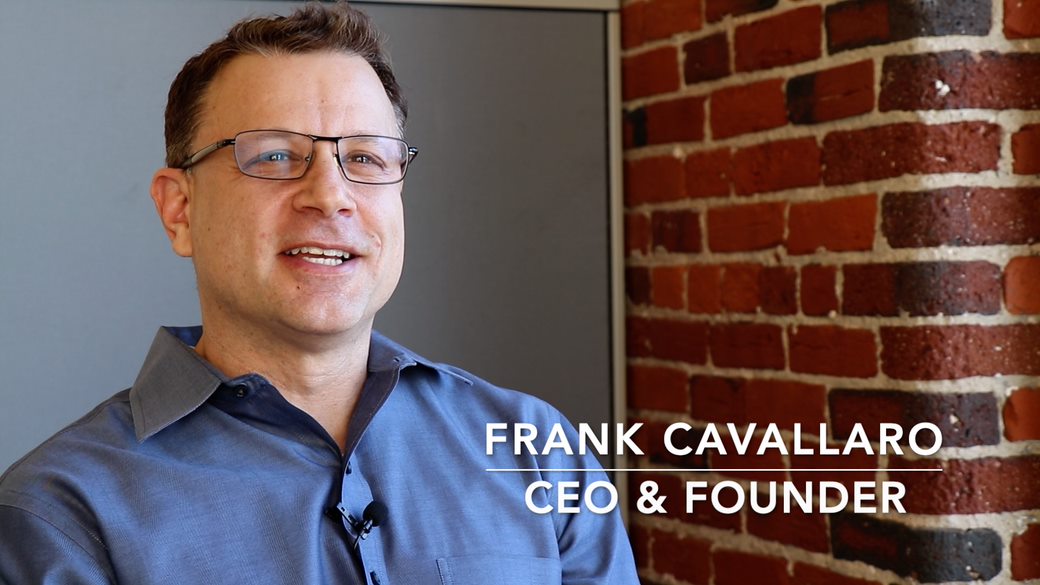
I’m Frank Cavallaro, CEO and founder of Fronetics, and today I’m going to be talking about video marketing and the supply chain.
Video is the most popular content being consumed online today. And it shows no sign of letting up. Video let’s savvy marketers tell their brand’s story, broaden their audience, and generate more leads. Video allows the marketer to consistently deliver content that is visually stimulating and valuable.
Consider pairing data-heavy blog posts with some sort of video, whether its animated or a subject matter interview. Using animated video for case studies makes them easier to understand for the user. And because they’re entertaining and engaging, there’s a huge ROI that comes along with them.
When using video remember what you need is quality, high engaging, well researched content. For more information, visit us at fronetics.com.
Related posts:

by Elizabeth Hines | Mar 20, 2019 | Blog, Content Marketing, Marketing, Social Media
Many B2B organizations are using Instagram to grow business. Here are a dozen Instagram tips to help you use the platform effectively.
Highlights:
- Instagram has become the second most used social media platform, up from fourth in 2017.
- Audiences love real-time content, like Instagram Stories. It lets them feel a genuine, human connection — the creation of which sometimes poses a challenge for B2B marketers.
- An effective Instagram presence has the potential to grow brand awareness, improve your reputation, and generate qualified leads.
Recent research on social media use shows that 66% of brands now use Instagram. As of 2018, it was second-most used platform by businesses, up from fourth in 2017. If you’re considering using this social media network for your business, which you should be, our 12 Instagram tips can help you get started.
12 Instagram Tips for Supply Chain Companies

(Made with Canva)
1. Be authentic
Many supply chain companies often fall into the trap of using stock photography or overly staged promotional pictures of products. The ethos of Instagram is all about authenticity and personality. Let your audience get an up-close-and-personal glimpse into your company’s culture with real photos of the people, places, and things that make your business run every day.
2. Optimize your account
Before we get to anything fancy, take a step back and make sure your Instagram account is fully optimized. This means you need:
- a bio with a link to marketing or product pages related to a specific keyword or hashtag;
- image captions, which can reference the link in your bio;
- a search-friendly username; and
- a compelling profile image that reflects your company.
3. Go live
Live video is the “it” trend in social media marketing, with 63% of marketers reporting that they plan on adding it to their overall strategy. Audiences love real-time content, and it lets them feel a genuine, human connection — the creation of which sometimes poses a challenge for B2B marketers.
4. Put your Stories in Highlights
In addition to its Stories feature, Instagram now lets users create a featured group of “Highlights” in various categories on their profiles. Stories have only a 24-hour lifespan, so featuring your most effective Stories clips in Highlights gives them a second life and a chance to engage future followers. One of the best features of Stories and Highlights is that it allows companies to view and analyze how users have viewed and interacted with their content.
5. Keep up the pace
Instagram is one of the easiest social media platforms to post on. That means you can quickly snap photos wherever you are — say, at a conference or event, or even on your way into the office — and publish it instantly. This is great for reaching the coveted millennial audience, which seems to have an unquenchable thirst for consuming content, particularly images and graphics.
6. Keep your content consistent
Posting on a consistent timetable is crucial to maintaining an active following. Posting irregularly means you risk your followers forgetting about you, and posting all at once can annoy and drive followers away. Ideally, companies should post 2-3 times a day, but you’ll need to test how many times a day is most effective for your particular business in engaging your specific audience. For more, check out our guide to when to post on social media.
7. Try a takeover
Taking over the Instagram account of a partner company or customer is a great way to draw attention from an existing and relevant audience, providing mutual benefits to both parties.
8. Invest in sponsored posts and product reviews
Optimizing your account and following Instagram best practices will go a long way toward earning authentic followers that could become future leads and/or customers. But to really boost your impact, it pays to take advantage of influencer marketing on Instagram. Create a list of large accounts in your vertical (think industry media sites and partners), follow them, and reach out to their marketing team to ask about sponsored-post pricing. Be on the lookout for influencers with a high engagement rate relative to number of followers.
[bctt tweet=”Optimizing your account and following Instagram best practices will go a long way toward earning authentic followers that could become future leads and/or customers.” username=”Fronetics”]
9. Use the right hashtags
One of the most effective ways to grow your Instagram following is to use hashtags effectively. Since Instagram gives users the ability to follow hashtags that interest them, and they function as links to other relevant content, choosing the right hashtags is the ideal way to reach and engage your target audience.
Keep an eye on accounts of peer brands to stay up to date with the best hashtags to use. The most effective hashtags are short, memorable, and easy to read. You can also use an online tool like InconoSquare or Websta to find relevant hashtags for your business.
10. Use the right filters
Sure, filters are great for turning boring or poorly lit photos into more engaging images. But, it turns out that which filter you choose really does have an impact on engagement. These lighting and color presets offered by Instagram have the potential to create mood and style in your image content. According to Iconosquare, these 10 filters are currently the most popular on Instagram:
- Normal (No Filter)
- Clarendon
- Juno
- Lark
- Ludwig
- Gingham
- Valencia
- X-Pro II
- Lo-fi
- Amaro
11. Be a storyteller
Instagram is all about visual storytelling. Your posts should do more than promote your products — they should be drawing in your audience with narrative told through a visual format. Instagram Stories are an ideal way to engage your audience!
12. Get personal
Go in deep and personal with your customers by answering their questions via 10-second videos. You let your viewers feel like they’re being heard. Plus, short videos are ideal for reposting.
The Bottom Line
Instagram is an extremely effective tool for B2B businesses. These Instagram tips for using the platform will help you create and nurture a loyal, engaged audience base. In turn, an effective Instagram presence has the potential to grow brand awareness, improve your reputation, and generate qualified leads.
Related posts:

by Elizabeth Hines | Mar 15, 2019 | Blog, Marketing, Marketing Automation, Packaging, Supply Chain
Packaging industry marketers: check out these marketing automation tools for email workflows, social media scheduling, and customer relationship management.
Highlights:
- Customers increasingly expect packaging to be personalized to suit their needs.
- Personalize leads’ interactions with your business through automated processes.
- Get help with email workflows, social advertising, and customer relationship management.
Lately it seems like everyone is talking about marketing automation. As B2B buyers increasingly demand personalized experiences through the buyer’s journey, marketers’ jobs are getting tougher, as they need to provide custom lead-nurturing content to all prospects in their databases. This is particularly true for the packaging industry, as B2B customers expect that packaging will be highly personalized to suit their needs.
And that’s where automating marketing tasks can help.
The term “marketing automation” refers to a variety of tools used to automate the process of personalizing leads’ interactions with your business. The sheer variety of these tools can sometimes be overwhelming — so we’ve pulled a few of our favorites in the categories of email workflows, paid advertising, and customer relationship management.
6 marketing automation tools packaging marketers
Email workflows
1. Customer.io
This tool lets you send targeted messages to your customers, crafting them based on how they interact with your business and making personalized messages simple. You can also keep track of conversions and create customer profiles. Our favorite part? It integrates with your mobile app or website, letting you see data in real time and trigger actions by adding in predefined rules.
2. Constant Contact
This powerful tool has some features that are unique — and can take your marketing capabilities beyond the basics. Beyond setting up and managing an automated database, Constant Contact offers Facebook fan promotion, coupons and deals, and event management.
Paid advertising tools
3. AdRoll
This is an extremely effective tool for retargeting customers through re-engagement on Facebook, Twitter, and elsewhere on the web. It offers cross-device and cross-platform retargeting capabilities, as well as flexible segmentation, letting you provide customized experiences that dramatically improve your marketing efficiency. It also offers customized budgeting and full control over ad spend.
Customer relationship management (CRM)
4. Pardot
Pardot is an all-inclusive marketing automation suite, but it’s particularly strong for amping up your engagement with CRM integration. It’s a great tool for helping your sales team shorten the sales cycle. And, in addition to CRM integration, it offers email marketing, lead nurturing, lead scoring, and ROI reporting.
5. Marketo
This cloud-based marketing software lets you drive revenue with lead management and mobile marketing. It not only helps build customer relationships, but it helps you sustain them as well. Best of all, you can try it out for free until you’re sure it’s right for your business.
Bonus all-in-one tool
6. HubSpot
HubSpot is an inbound marketing tool that lets you generate leads, close deals, and manage your sales pipeline from start to finish. It integrates beautifully with a content marketing strategy, with the goal of turning outbound leads into inbound ones. It includes revenue reporting, custom-event reporting, custom-event automation triggers, predictive-lead scoring, contacts and company reporting, and event-based segmentation.
What marketing automation tools are you using to create efficiencies in your packaging business?
Related posts:
by Elizabeth Hines | Mar 14, 2019 | Blog, Content Marketing, Marketing, Social Media
Instagram for business is a rising trend. Here are some top tips to get your business using Instagram as a part of your digital marketing strategy.
Highlights:
- Instagram is all about authenticity and personality. Let your audience get an up close and personal glimpse into your company’s culture.
- Audiences love real-time content and it lets them feel a genuine, human connection.
- Posts should do more than promote your brand and Instagram Stories are an ideal way to engage your audience!
Video transcript:
I’m Katie Russell, and I’m a marketing strategist here at Fronetics. Today I’m going to talk to you about Instagram for business. Instagram has been growing in popularity, and if you’ve been thinking about using Instagram for your business, here are some tips to get you started.
Be authentic
Instagram is all about authenticity and personality. Give your viewers an inside glimpse into your company’s culture. An easy example would be to create little videos answering your audiences questions. It shows that your viewers are being heard and as well as an opportunity to engage with new audiences.
Keep up the pace
Instagram is one of the easiest platforms to post to, so don’t be afraid to take pictures at meetings, conferences, or events, anywhere that you are. The pictures don’t have to be perfect, just remember that the more you post the greater opportunity you have to reach new audiences.
Go live
Live video is the “it” trend in social media marketing right now. Audiences love real-time content, and it gives them feel a genuine, human connection that can sometimes be a struggle for B2B marketers.
Be a storyteller
Instagram is all about visual storytelling, so your newsfeed should be more than just promoting your brand. It should give viewers and audiences a look at what makes your brand different. Don’t be afraid to be quirky or think outside the box to show audiences what makes your brand unique.
Out of ideas? Just ask!
Creating content and coming up with new ideas can be a huge challenge for marketers. Don’t be afraid to survey your audiences and ask them what they’d be interested in seeing. You might just get some great ideas you never would have considered.
For more tips on how to get started for Instagram for your business, visit us at Fronetics.com.
Related posts: