Take a moment to let that sink in. After Google, people are searching YouTube for content. Strike that: Over one billion people are searching YouTube for content.
This has raised the eyebrows of content marketers across many industries, including B2B businesses, who recognize the enormous potential for reaching customers through this medium.
If you haven’t considered distributing content through YouTube, you may soon find yourself scrambling to catch up with your competitors who are. For those who don’t know much about YouTube or are clueless about how it can work for business, here are a few basics to get you started.
What is YouTube?
YouTube is a free video-sharing website and social media platform that allows users to view, upload, share, rate, and comment on content. It was launched in 2005 by three former Paypal employees and purchased by Google in 2006. It now operates as a subsidiary of Google.
You do not have to be a registered user to view content, but you must be registered to upload content. Registered users can also subscribe to content providers’ channels to receive updates when something new is available, and can create playlists of favorite videos to view at any time.
In addition to being available on the YouTube website, YouTube videos can be embedded, shared, or uploaded to other sites (such as Facebook).
Why is it good for business?
YouTube has massive potential for businesses. Here are just five reasons to participate.
Users watch around 3.25 billion hours of video every month.
Videos with over 1 billion views: 10,113
80% of views are from outside the U.S.
More than half of views are from mobile devices.
You can navigate YouTube in 76 different languages.
2) Improved search rankings
YouTube videos are included in Google’s search results, ranking above web pages in certain searches. Potential customers searching for products and services like yours will be more likely to find you in such instances.
3) User experience
Video has become so popular for a reason: People like consuming it. By producing content in this medium, you are offering a user experience that is in high demand.
4) Build your brand
Video is the ideal storytelling platform, and it’s also perfect for how-tos, product demonstrations, and other content that demonstrates your company’s expertise. Show your brand personality and engage your audience while building your reputation as a thought leader in your industry.
5) Track performance metrics
YouTube Analytics makes it easy to see who is watching your videos and how they are engaging with them. Run reports on audience demographics, revenue, engagement, traffic sources, and more.
How do I get started?
There are two avenues for businesses who are looking to reach YouTube’s more-than-3-billion users.
For one, businesses can buy ads that run before other videos, beside playing videos, and in search results. Video ads are not covered in this post, but you can learn more about them here.
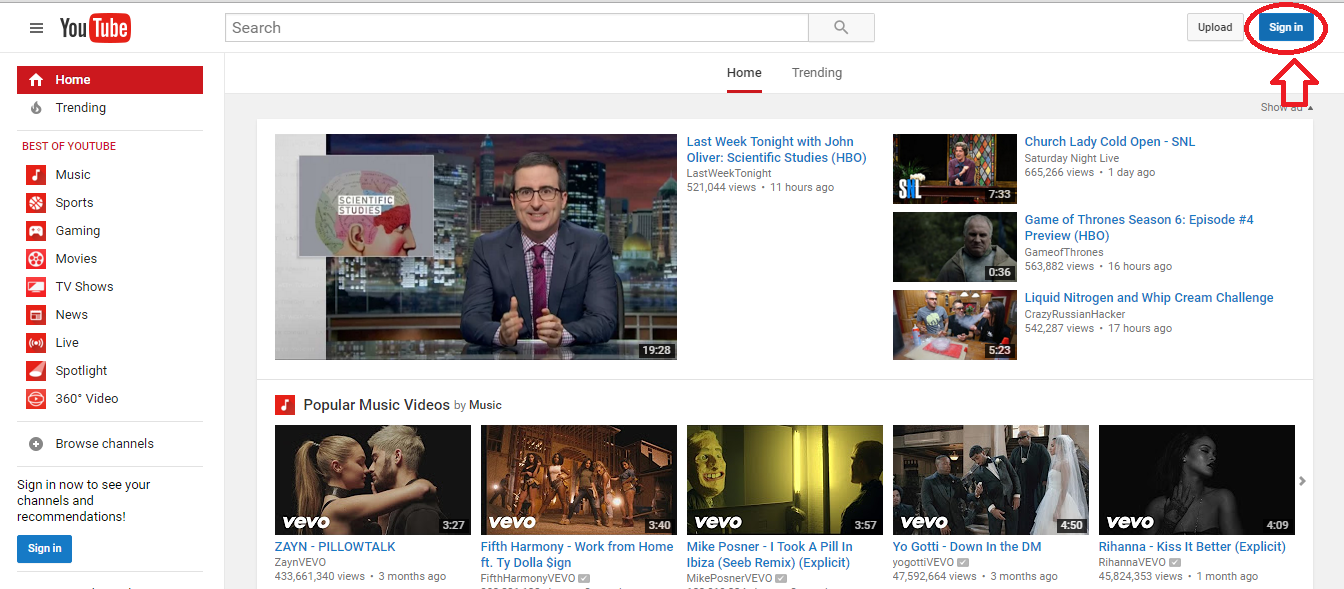
Secondly, businesses can create their own YouTube channel and upload original content as part of their inbound marketing programs. To get started, you will need to sign into your business’ Google account or create one. Find the sign in button at the top-right corner of the YouTube homepage.
With your account, you will own your very own “channel,” on which you will post your content. Branding your channel is an important step, as this will be the face of your company on this platform. Below are some tips.
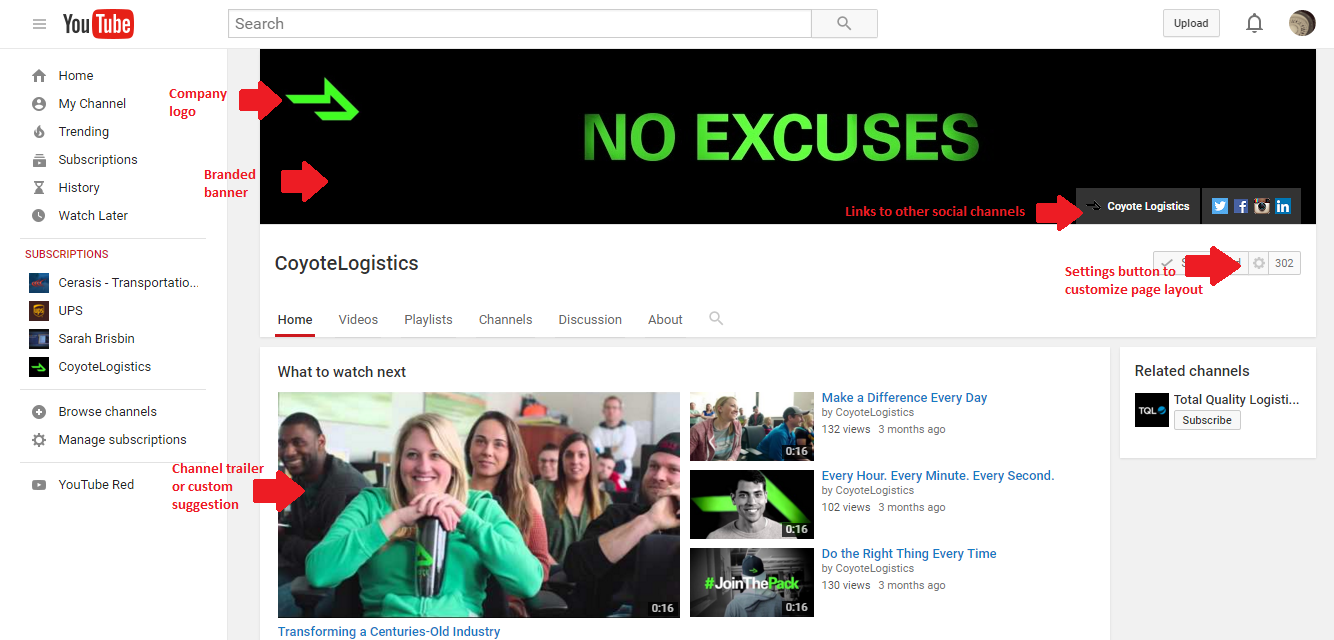
Anatomy of a branded YouTube channel
Coyote Logistics, a 3PL provider, has done an excellent job of branding its YouTube channel.
Company Logo
Upload your company’s logo by hovering over the channel icon and clicking the pencil icon when it appears.
Branded Banner
Upload an image that represents your brand and what users will find on your channel. Hover over the channel art, click the “Add channel art” button or the pencil icon in the upper-right corner and select “Edit channel art.” Coyote Logistics makes a bold statement (very representative of its brand personality) here. For the best results on all devices, YouTube recommends uploading a single 2560 x 1440 px image.
Social Icons
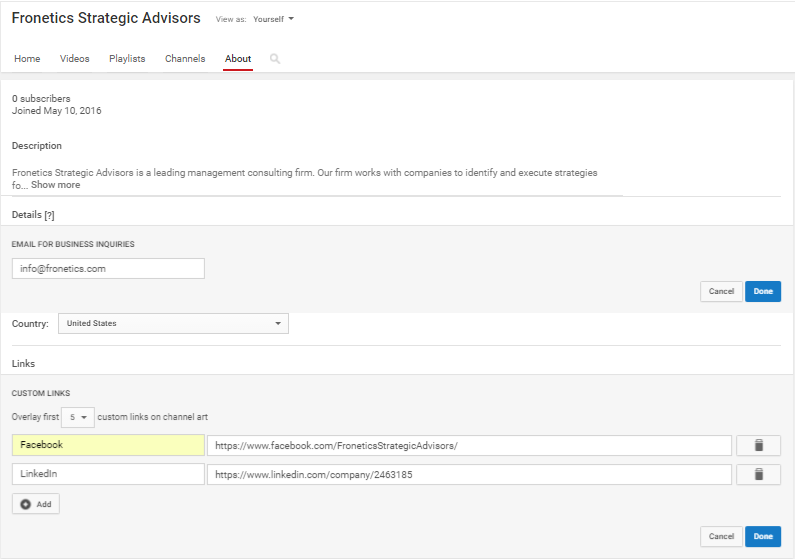
Provide links to your other social channels by hovering over the channel art, clicking the pencil icon in the upper-right corner, and selecting “Edit links.” Add the URLs for each of your channels under “Custom links.”
Customize Layout
Click the customize button to create a layout for your channel. You can add up to 10 “sections,” which allow you to group videos in a particular way. For example, you could add sections of recent uploads, popular uploads, playlists, etc.This helps visitors to decide what to watch — and lets you promote content you wish for visitors to see.
About
Navigate to the About section to add a channel description, business email address, country, and social links (if you haven’t already).
Uploading videos
Once you have your channel set, you’re ready to start adding your original content. YouTube Help has a wealth of resources to help you get started, problem-solve, and learn more. The below video offers an introduction to uploading videos in just a few quick steps.
Other terms to know
Playlist: Playlists let you organize your videos into different categories, like interviews, tips, product demonstrations, etc. Learn more.
Channel trailer: A short video, like a movie trailer, that gives visitors an idea of the kinds of videos they’ll find on your channel. Learn more.
YouTube Red: This is the premium subscription option that allows you to view videos without ads, watch videos offline, and more.
A recent collection of social media facts and stats offers an interesting look at B2B company and buyer behavior.
Last month, Webbiquity published a list of 49 social media facts and stats about user behavior on Facebook, Twitter, LinkedIn, Pinterest, Instagram, and Google+. These figures, collected from various studies, offer insight into how people and businesses are using social networking in recent times.
B2B companies may find several of the stats particularly interesting, and it may influence the way they think about social media marketing. I have pulled out some of the most applicable and offered some thoughts below.
Social media facts and stats from Webbiquity
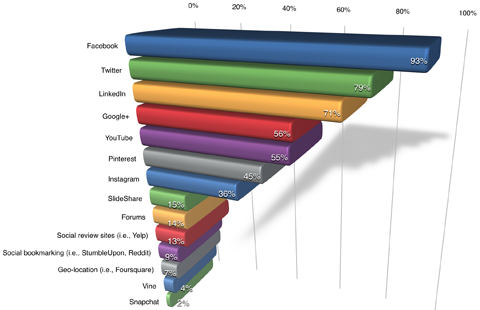
88% of B2B companies use Facebook for marketing (and 96% of all B2C companies )
If you are not using Facebook in your marketing efforts, you are in a quickly growing minority. With 968 million active daily users, the largest social networking site offers a huge opportunity — actually, the most expansive opportunity available — for your business to attract, court, and convert potential customers. Here are some of our top tips for using Facebook to market your business.
93% of small business owners and marketers use Facebook.
Small businesses don’t have the time or budget to compete with large brands when it comes to marketing — but social media can level the playing field. Social media, and Facebook especially, is an ideal marketing platform for small businesses because it can be relatively inexpensive but have a high impact on growth. Your company can cultivate your brand, engage with customers, and form business relationships. Learn how two small companies saw enormous growth thanks to social media.
21% of consumers say they unfollow brands that post repetitive or boring content. 19% say they would unfollow a brand on Facebook if the brand posted too often — more than six times a day.
88% of B2B marketers in North America use Twitter for content distribution.
Twitter is one of the more effective channels for gaining business, and the numbers prove it. A Market Probe Internationalsurvey found that 72% of those who follow a business on Twitter are more likely to make a purchase from that business, and that 82% of followers are more likely to recommend a product or service to friends and family. Additionally, 85% of respondents reported feeling a closer connection to a small business if they follow them on Twitter. Learn more about Twitter for business.
Pinterest has 47 million active monthly users worldwide, 80% of whom are women.
While Pinterest use is rapidly growing among B2C marketers, the B2B world still hasn’t quite figured it out yet. I pulled out the two above stats to show the enormous potential this channel has, particularly for businesses whose customer base is primarily women. Fronetics’ social prospecting workbook has some ideas on how to get started using Pinterest.
32% of U.S. companies with 100+ employees used Instagram for marketing activities in 2015. eMarketer predicts that number will jump to 70.7% by 2017.
The importance of Instagram for B2B companies will continue to grow. Here’s why: 90% of Instagram users are under age 35. A recent Google study showed an increasing number of Millennials on the B2B purchasing path — up to 46% of potential buyers were of this generation in 2014. Their preferences and behaviors are having a noticeable impact on B2B buyer behavior as a whole. So if your business wants to capitalize on the nearly 300 million active monthly users, Instagram should be on your radar.
64% of North American B2B marketers use Google+ to distribute content, but just 17% use it for new product launches (vs. 81% who use LinkedIn).
Americans may use Google+ less frequently than some of the other networks, but don’t count it out entirely. More people check the site than people realize, including die-hard fans of Google products and the many businesses who use the Google suite professionally.
Enticing potential customers with exclusive, high-value offers is an important component of lead nurturing and lead generation.
Your strategic marketing objectives boil down to one basic mission: to generate a high volume of quality leads. This will drive tomorrow’s revenue and an increase in sales and profits. Yet, only one in 10 marketing professionals feel they have an effective lead-generation strategy in place.
Since a productive lead-generation campaign consists of many interconnecting layers, it can be hard to pinpoint what is limiting your success. But, if you are seeking more leads for your business (and who isn’t?), consider these proven tactics for achieving successful lead generation.
First, for tactical reasons, your overall campaign must contain these components:
Something To Offer. An offer is content that is perceived to be high in value. Offers include ebooks, whitepapers, free consultations, product demonstrations, or discounts.
A Call to Action. This is either a small paragraph of text, an image, or a button that links the potential customer to a landing page to download what you have to offer.
An Awesome Landing Page. This is a specific page designed to allow the potential client to download your offer.
Forms to Gather the Lead Info. Essentially, they get the download; you get their contact information.
These four valuable components set the stage for capturing exponentially more lead information than ever before to grow your business.
Creating the Most Inspiring Offers
Just because you have identified leads does not mean they will convert to customers. Lead nurturing helps build a relationship with your potential customers, gain their trust, and raise their awareness about your business and products. The four steps above are critical to the lead nurturing process. But, unless you offer something that your potential customers want, you will not get past the first one.
So, what entices people to click “yes” to an offer?
The majority of us want anything that is considered exclusive, scarce, or in high demand. Suddenly, something becomes more desirable if it appears like we are getting the scoop on a special deal or valuable information.
The higher the perceived value of your offer, the more irresistible it becomes. So, whether your offer is whitepapers, downloads, free trials, memberships, or sales promotions, these irresistible elements can overcome a lead’s typical friction, doubt, or concern.
The elements to creating a feeling of exclusivity and special value in your offer include:
Limited-time offers. This creates scarcity to your offer.
Limited quantities. What you are offering is unique and has exclusive value, and procrastination may mean missing out.
“X number of people have seized this offer.” Human nature is to follow what others do. State how many people have downloaded your offer or benefited from your information to encourage others to do the same.
Content that matches current news trends. Content tailored to whatever is trending in the news (or to whatever is in high demand at the moment) is more relevant and relatable to potential customers, who are likely engaged with those trends in other ways as well.
A title that hooks interest. People actually do judge a book by its cover and will not want to see more if you bore them.
Several Call to Actions, offered at different stages. Pursue buyers at different levels of readiness with different CTAs. People often do their own research before even engaging with a sales rep, and every prospect is at a different stage of exploration. Develop different offers at different stages in the buying cycle, and include a primary and secondary CTA to these offers on various pages throughout your site.
Avoid professional jargon. Terms and phrases that have been over-used and abused are meaningless and won’t hook potential buyers. They include: groundbreaking, cutting-edge, scalable, flexible, and robust, just to name a few.
To further ensure enticing more leads, your offer should provide something that is considered of high-value. Not all offers are created equal. Some “formats” perform better than others at converting leads. Here are a few of the top-ranked offers, in order of performance, when it comes to generating leads:
There are many more ways you can capture successful leads and fine-tune your marketing plans in a way that turns leads into customers. For more proven tips, download The 30 Greatest Tips & Tricks That Will Change The Way You Nurture Leads, which offers dozens of other techniques marketers should follow to increase leads and revenue.
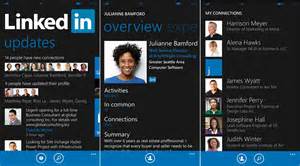
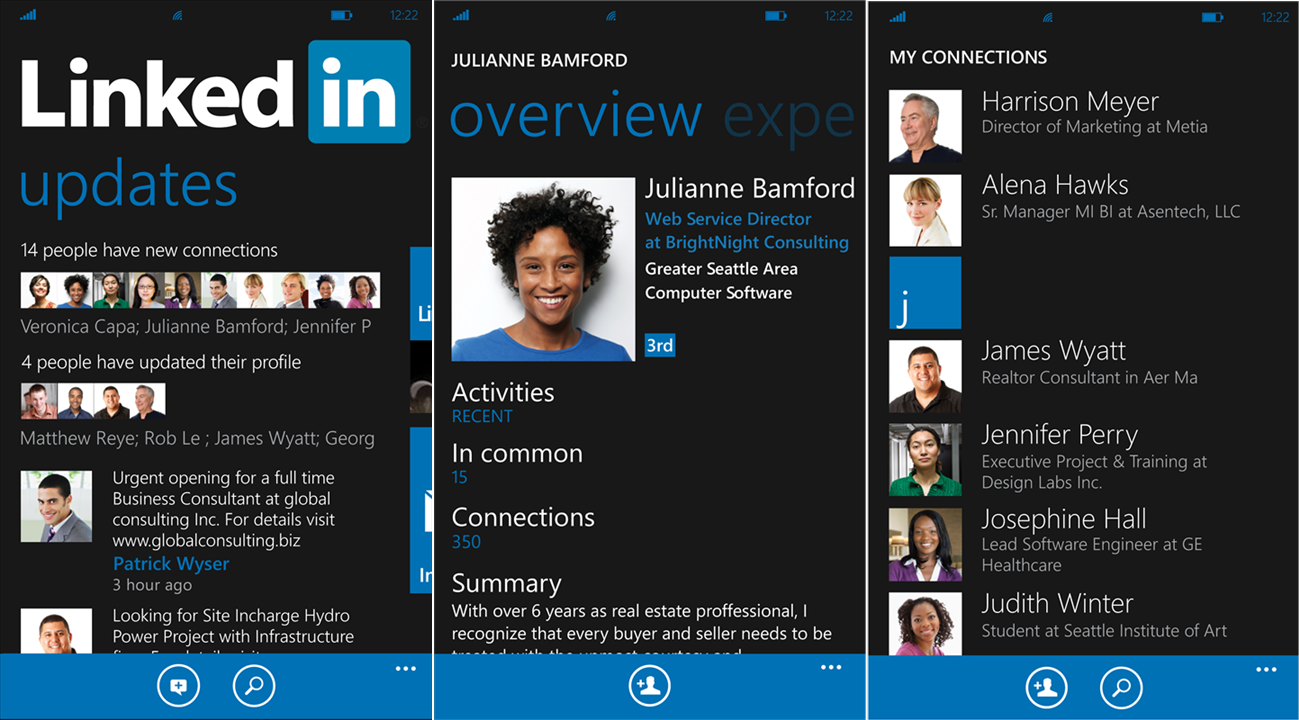
With the rise of mobile access and technology, people use phones in many of the same ways they use computers. You can scan, email, write, research, talk, bank, and — thanks to the LinkedIn Mobile App — apply for jobs, post articles, communicate, and engage with peers.
LinkedIn believes the app is “a faster way to tap into your professional world. Get news and info that matter for your professional day, a daily brief on what’s happening in your network, and a quick way to reach out and keep in touch.” Sounds good for those of us who rely heavily and increasingly on our phones.
Here are some ways in which you should be using the LinkedIn Mobile App to help your marketing efforts:
1. Update
A cornerstone of inbound marketing, writing updates and engaging daily (or hourly) with connections is important. Within an update you can include text, links, and photos and mention other LinkedIn members. You can also choose to share your update with your entire LinkedIn network and/or first-degree connections and/or your Twitter feed.
2. See who’s looking
Discover who has viewed, liked, or commented on your profile and content. The app lets you reply directly if you’d like.
3. Engage
Keep up with your network by finding, commenting, liking, and sharing. Repeatedly, we hear of the importance of engaging with connections and truly trying to value their posts, especially before sharing your own agenda.
4. Edit your profile
Notice a mistake on your company profile? Make an immediate change, even without your computer. Maybe you’re at a business meeting or out to dinner, and you notice that something hasn’t been updated on your company profile. You can fix it immediately.
5. Send & receive messages
This is a staple, and one that is critical. Again, if you’re at a business meeting, at a conference, or just without your computer and you need quick access to someone who you don’t have in your smartphone address book, you can find them and contact them through the LinkedIn Mobile App.
You can also access Lynda.com to watch tutorials and get training, get daily updates from LinkedIn Pulse, use LinkedIn Lookup to find connections, and use LinkedIn SlideShare to access over 18 million tutorials, infographics, and professionals.
There’s no need to cease connecting or marketing when you’re without your computer. The newly updated LinkedIn Mobile App can help you get the job done efficiently.
In an interview with the Kitchn, Food Network’s Barefoot Contessa Ina Garten shared her top three secrets to hosting a successful dinner party – plan ahead, use your best stuff, and have fun building and sustaining relationships with those around you. Her focus may be food, but her advice is applicable to marketing and sales professionals. Undeniably, lead nurturing is remarkably similar to hosting a dinner party.
Using the dinner party strategy, let’s take a look at how your business can actively build relationships with prospects and advance the movement of leads through its sales funnel.
Clean house
As the host of an upcoming dinner party, it’s unlikely you’d host people in your home without first getting it in tiptop shape. The same should be true for your website, your company’s online home. As part of your preparation for a lead nurturing campaign, review your website and make any necessary modifications so that it presents the best digital representation of your business. Beyond increasing conversions, having an attractive, modern website that’s free of broken links and out of date contact information serves to establish your company’s website as a trusted resource for information.
Decide what to offer guests
Preparing a dinner party menu for a number of people requires some forethought and planning. For instance, what type of food would your guests enjoy? Do any guests have food allergies or aversions for which you need to plan? Just as you would build the menu for your dinner party, the decision about what content you’ll offer will be guided by the preferences and content needs of your leads. Create content that is relevant to your leads and make sure to identify appropriate channels of distribution in order to extract maximum value from your content.
Determine when and how you’ll serve menu items
Traditional dinner parties start with appetizers and move from one course to the next until after the dessert wine is poured. Similarly, the lead nurturing process is intended to push content to leads in a linear fashion, with the ultimate goal being that they’ll emerge as customers. Once your content “menu” is set, you’ll want to decide how you’ll serve them up to your leads. To do that, align content with where your leads happen to be in the buyer’s journey. Leads will enter and exit your lead nurturing campaign at different points, and that’s okay, just be certain that your content is relevant to leads in their specific stage. Regardless, each nurturing touch should be focused and specific and include a call to action to promote advancement in the buyer’s journey.
Create and sustain dialogue
Beyond sharing a meal, it’s likely that you’ll also take part in spirited conversation with your dinner party guests. While it’s certainly acceptable to offer up topics of discussion, your guests will not enjoy you dominating the conversation. Meaningfully adding to the conversation builds relationships not just by showing expertise, but by showing genuine interest. In other words, don’t view the lead nurturing process as a way to blast your prospects with promotional information or marketing materials; treat it as a dialogue. The best lead nurturing campaigns are designed to learn as much about your leads as you would have them learn about your company.
Say thank you
As host, at the end of the night when guests grab their coats and head toward the door, it’s polite to thank them for attending your dinner party. Extend that same courtesy to your customers and leads. Whether it’s by showing gratitude to current customers for their continued support or showing appreciation to leads for their download, saying thank you goes a long way in building connections and professional relationships.
What’s required to run a successful lead nurturing campaign is building trust and establishing relationships with prospects and leads as you develop them into customers. Most of the effort involved in hosting a dinner party happens before guests arrive, so hosts are free to enjoy interaction and conversation with guests during the party. Lead nurturing can be approached much in the same way you’d plan and execute a dinner party. Developing a thoughtful lead nurturing campaign will almost always ensure meaningful – and memorable – communication.
Fronetics Strategic Advisors is a leading management consulting firm. Our firm works with companies to identify and execute strategies for growth and value creation.
Whether it is a wholesale food distributor seeking guidance on how to define and execute corporate strategy; a telematics firm needing high quality content on a consistent basis; a real estate firm looking for a marketing partner; or a supply chain firm in need of interim management, our clients rely on Fronetics to help them navigate through critical junctures, meet their toughest challenges, and take advantage of opportunities. We deliver high-impact results.
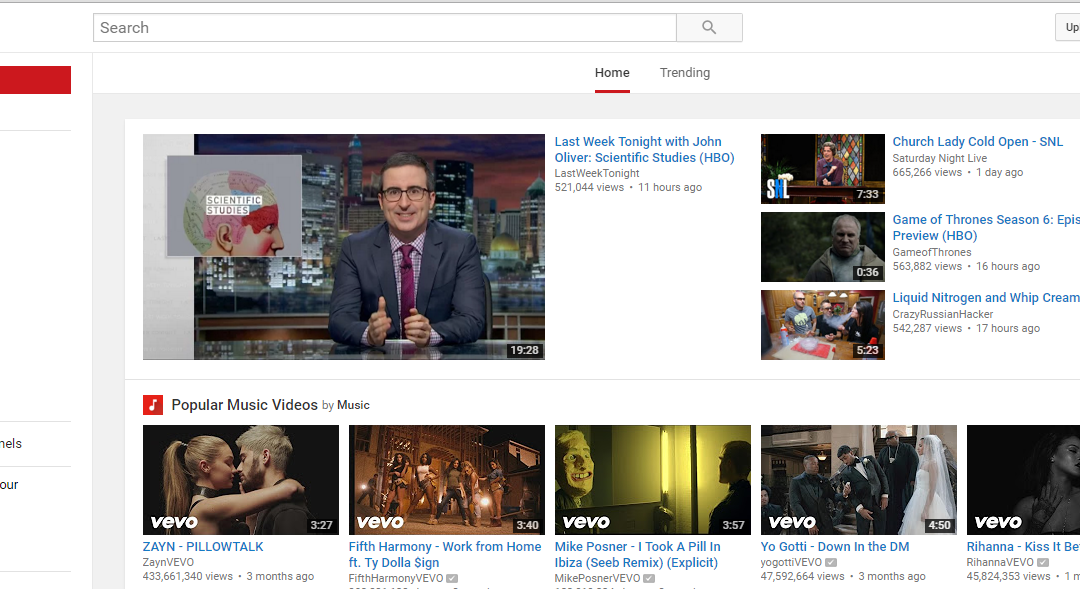
 Video is not just for funny cats and cover artists anymore — it’s the most popular form of content being consumed online. As such, YouTube has become the second largest search engine in the world, with more than one billion users conducting over 3 billion searches per month.