by Fronetics | Nov 29, 2018 | Blog, Content Marketing, Current Events, Marketing, Social Media
Also in social media news, November 2018: Instagram tests options to promote stories on business pages, Pinterest unveils updates to self-serve ad tools, and Facebook tests advanced analytics for Instagram.
November was the month of social media updates and the development of new tools aimed at helping brands. Though Facebook has vowed to boost content for individuals – think posts from friends and family – they are also making significant strides in helping businesses gain reach and increase engagement after a slow start to the calendar year.
For example, Instagram tested options to help promote Stories on Business pages. What does this mean for your company? Soon brands will have the ability to get Stories in front of new audiences, increasing followers and engagement. Building lasting relationships with prospects on social media means presenting your brand in a visually engaging way while linking them to useful and relevant information.
[bctt tweet=”Building lasting relationships with prospects on social media means presenting your brand in a visually engaging way while linking them to useful and relevant information.” username=”Fronetics”]
Here’s your social media news for November 2018.
Facebook announces third-quarter earnings report
Facebook just revealed it has 1.49 billion daily active users in its quarterly earnings report. When you combine Facebook, Messenger, Instagram, and Whatsapp, monthly active users total 2.6 billion. Though these numbers are the highest of any social media platform, Facebook significantly dropped active users in Europe last quarter.
Mark Zuckerberg, Facebook CEO, noted a growing shift in social media engagement including an increased focus on private messaging and stories. Another shift? Video. “We’re seeing video grow dramatically across the ecosystem, and while Watch is now growing very quickly, we’re well behind YouTube and still working to make this a unique people-centric experience.” writes Zuckerberg. Facebook will also continue to improve safety and security measures to address increased threats.
YouTube premieres now available to all users
YouTube premieres is a feature that lets you and your viewers watch and experience a new video together, much like a movie or TV show premiere. Premiering your video allows you to schedule a video upload and to create buzz around the video with a shareable watch page. Premieres originally debuted to specific creators but is now available to all users. Businesses can invite fans to use Live Chat as it counts down to the premiere of a new video that users can watch together while answering questions and responding to comments.
LinkedIn offers new integration tool with Google Campaign Manager
LinkedIn announced a measurement integration tool with Google Campaign Manager, a part of Google Marketing Platform. This new tool allows businesses to see LinkedIn ad performance alongside other paid advertising, and get attribution for LinkedIn ads across all impressions and interactions. “Earlier this year, we launched this integration for a few ad formats, but today – we are launching it for Sponsored Content,” writes LinkedIn.
Instagram tests Promote: a new way to share Stories on business pages
Instagram is giving businesses a new way to share Stories without much effort. Promote, a new ad type, allows admins to “auto-target users similar to their followers, specific locations, or use all of Instagram’s targeting parameters to inject their stories into the queue of more users.” The ads will also link back to a business’s Instagram profile or webpage. Instagram confirmed to TechCrunch that Promote for Stories is similar to Facebook’s Boost option that lets businesses pay to show their posts to more users instantly.
Facebook tests advanced analytics for Instagram
Facebook introduced Instagram Analytics, a new part of Facebook Analytics. With Instagram Insights, businesses can already see how audiences interact with posts and Stories, but what happens next and what does that mean for your business? Now with Instagram Analytics, businesses can track “lifetime value and retention rates for people who do or don’t interact with their content and create audience segments to see if people who commented on a particular post generate more value for them.” They can also analyze how audiences overlap with website visitors and Facebook followers.
Pinterest updates self-serve ad tools
Pinterest is working to make it easier for brands to reach the right audiences with their ads. In October, Pinterest unveiled updates to its Self-Serve Ads Manager to streamline the campaign creation process and give companies tools to track their progress on the app. “Over the past year, we’ve used your feedback to redesign our ad tools so businesses on Pinterest can define and size audiences, create ads and pull reports with ease.” The new features are currently available in English-speaking markets with a Pinterest business profile.
Related posts:

by Fronetics | Nov 15, 2018 | Blog, Content Marketing, Logistics, Marketing, Social Media, Supply Chain
The popularity of video marketing is on the rise, and savvy supply chain marketers are using this medium to tell their brand’s story, broaden their audience, and generate leads.
Video is the most popular form of content being consumed online today — and it shows no sign of slowing down. Smart supply chain marketers are developing a visual storytelling strategy that offers consistent delivery of valuable content.
Wyzowl’s The State of Video Marketing in 2018 provides a lot of data and an excellent overview of video marketing. Read on for our key takeaways.
Video usage is continuing to grow
Not only are more and more businesses using video as a marketing tool, and planning to continue to do so, but a majority of businesses that don’t use video plan to start doing so this year. This means that supply chain marketing will continue to expand in this more visual direction. Marketers should adjust their strategies to favor content that lends itself to this kind of storytelling.
Of course, it doesn’t take a survey to know that video is taking over the way we consume content. If you use the internet, you’re bound to have seen the significant uptick in video content over the past three years. This medium is now a central part of how we live, and it’s not going anywhere.
When it comes to user experience, video adds a tremendous amount of value. In fact, when both video and text are available on the same page, Wyzowl found that 72 percent of people reported that they would rather use video to learn about a product or service.
[bctt tweet=”When both video and text are available on the same page, Wyzowl found that 72% of people reported that they would rather use video to learn about a product or service.” username=”Fronetics”]
What does this mean for your marketing strategy? The obvious answer is use more video content. Consider accompanying data-heavy blog posts with explanatory animated videos, conducting and sharing video interviews with executives or industry leaders, or turning a case-study into an animated video presentation.
Sharing is everything
Creating compelling video is only half the battle — the next step is making sure it gets to the widest possible segment of your audience. You might think that it’s just cat videos that get shared on social media, but according to Wyzowl, “if you create video content that your specific audience enjoys, 83 percent of consumers would consider sharing it with their friends.”
So, what makes content share-worthy? There aren’t really any gimmicks here. What you need is quality, well-researched content that visually engages viewers. At Fronetics, we’ve written extensively about video marketing. Here are a few posts that may interest you if you’re curious about how video can fit into your content strategy.


by Fronetics | Nov 13, 2018 | Blog, Content Marketing, Data/Analytics, Logistics, Marketing, Strategy, Supply Chain
The results are in: Artificial intelligence (AI) has significant value for many business sectors. But what are the most effective ways to apply AI to your supply chain management company?
Executives of many leading companies are looking for ways to integrate AI into their operations. A recent McKinsey & Co. study estimates that 40% of the potential value associated with data analytics today comes from techniques called “deep learning.” Deep learning refers to AI that can monitor a system and make adjustments rather than simply repeate a single task. Industry use of deep learning techniques remains relatively low as companies determine how best to use AI to meet business needs.
[bctt tweet=”Using AI this way can improve forecasting accuracy by 10-20%, allowing companies to reduce inventory costs by as much as 5% and generate 2-3% increased revenue.” username=”Fronetics”]
Supply chain management is one of the business sectors that can get the most value out of deep learning techniques. Brick-and-mortar retailers tend to see a 1-2% increase in sales revenue when they use AI to personalize promotions based on customer data analytics. Supply chain management organizations can expect to see greater benefit from AI that forecasts demand by analyzing the underlying market factors. Using AI this way can improve forecasting accuracy by 10-20%, allowing companies to reduce inventory costs by as much as 5% and generate 2-3% increased revenue.
In addition to reducing inventory costs in supply chain management organizations, deep learning can create trillions of dollars in value in marketing and sales revenue and save costs through predictive maintenance. The best way to determine how AI can serve your needs is to look at how your organization uses traditional analytics techniques: AI can often provide higher performance in conducting analytics and introduce additional layers of analysis. The technology is always improving, so the potential value for companies adopting deep learning techniques is expected to continue to rise.
There are, however, obstacles facing companies looking for ways to use AI techniques. It is essential to plan for the security and privacy issues of data analytics. Deep learning works best with large-scale datasets, which not all organizations can assemble or access. The level of expertise necessary to implement and service AI technology comes with added expenses, but determining the right way to apply AI to your organization makes these costs and challenges a rewarding investment.
Related posts:
by Fronetics | Nov 12, 2018 | Blog, Content Marketing, Logistics, Marketing, Social Media, Supply Chain
Social platforms create an opportunity to connect with prospects but only if your efforts align with customer preferences. Here’s how brands can focus on creating content that customers actually want.
In 2018 social media platforms have made a concerted effort to keep their platforms, well, social. User experience is the top priority, and many brands and businesses feel like they’ve been pushed to the back burner.
Businesses aiming to increase brand awareness must think long-term when it comes to social media. Social media marketers need to engage with users, not simply disrupt the user’s experience. This means that content shared by a brand needs to be relevant, useful, and let’s face it, visually engaging.
The overlap between brands and users
In the 2018 Social Sprout Index, researchers found that 61% of marketers create posts that teach readers something. But that’s not all, 59% of consumers reported wanting to read posts that teach something. The connection is obvious.
[bctt tweet=”In the 2018 Social Sprout Index, researchers found that 61% of marketers create posts that teach readers something. But that’s not all, 59% of consumers reported wanting to read posts that teach something. The connection is obvious.” username=”Fronetics”]
Businesses looking to increase user engagement on social platforms need to focus on providing users with what they want. Users want you to teach them. So, showcase why your brand is a leader in your industry or highlight how your products or services can be the solution to a problem.
Most social media users are still using platforms to connect with friends and family, so it’s imperative for businesses to focus on authentic engagement. This can only be accomplished by connecting readers to useful and informative information.
“The most enlightened social marketing strategy integrates awareness and consideration stage content — opening the door with entertainment and inspiration, then carrying audiences across the threshold with education, information about new product offerings and discounts and sales.” Social Sprout Index 2018
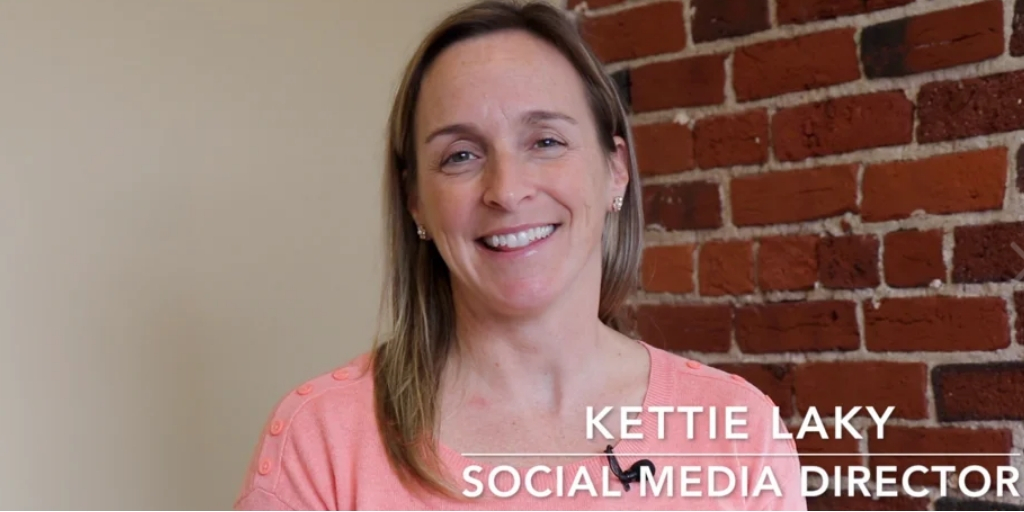
And while 80% of marketers report increasing brand awareness as their primary social media goal, it’s not always easy to know how to get started creating relevant content that will resonate with users. Here is Kettie Laky, Social Media Director, to explain how businesses can be helpful to users on social platforms.
Video: How businesses can be helpful on social platforms
Takeaway: Focus on what’s important
It’s time for marketers to stop wasting time and resources on content that doesn’t resonate with users. Aligning priorities between what users want and what marketers are producing is key to creating long-lasting relationships with prospects. Brands who are actually helpful, not intrusive, will reap the benefits of their hard work.
Related posts:
by Fronetics | Oct 31, 2018 | Blog, Content Marketing, Current Events, Marketing, Social Media
Also in social media news, October 2018: Snapchat partners with Amazon on visual search tool, Google Plus is shutting down, and Instagram adds Quick Replies for business accounts.
With the arrival of Halloween, we know that the holidays are quickly approaching. Consumers will be busy making plans and diving into holiday specials. But social networks will also be hard at work trying to stand out against brick and mortar stores as an alternative for holiday preparations.
[bctt tweet=”Businesses looking to gain traction during the holiday season will reap the benefits of social networks, which are including new features and updates that will help brands connect with new (and existing) users.” username=”Fronetics”]
Businesses looking to gain traction during the holiday season will reap the benefits of social networks, which are including new features and updates that will help brands connect with new (and existing) users. With a heavy focus on customer engagement, these new options help businesses stay connected with new features like Quick Replies on Instagram. These small but helpful updates will allow companies to have a greater reach without extra work for their marketers.
Here’s your social media news for October 2018.
Instagram founders leave Facebook
Kevin Systrom, CEO, and Mike Krieger, CTO, resigned from Instagram this week amidst rumors of tension with Facebook founder and CEO, Mark Zuckerberg. “We’re planning on leaving Instagram to explore our curiosity and creativity again. Building new things requires that we step back, understand what inspires us and match that with what the world needs; that’s what we plan to do,” writes Systrom in a statement for Instagram. Bloomberg News reports that tension between co-founders grew over the direction of Instagram. These departures create an opportunity for Facebook to oversee Instagram more directly.
LinkedIn updates Groups
LinkedIn Groups now offer more engaged conversation tools including embedded videos, images, and updates to posts, alerts, and much more. “Over the past year, we’ve focused on bringing conversations to the forefront on LinkedIn, adding new features to make it easy for you to talk to your professional communities. The new Groups experience helps you take advantage of all these conversations tools with a seamless, faster experience so you can easily participate in your groups,” writes Mitali Pattnaik for LinkedIn’s blog. All groups are currently being updated with these features.
Snapchat Partners with Amazon on visual search tool
Snapchat users are going to have a new way to search for products on Amazon, one of the world’s biggest e-commerce corporations. Using the Snapchat app, users can point their camera at a product or barcode and, once recognized, a link will appear to that product (or a similar one) on Amazon. Though the update is currently only available to a small group of users, Snapchat is hoping to roll out the new feature to all users shortly.
Instagram rolls out Quick Replies for business accounts in direct messenger
Instagram introduced Quick Replies for business accounts in direct messenger this month. The new feature allows businesses to create quick responses to frequently asked questions, like shipping rates and contact information. Quick Replies will help businesses communicate quickly and efficiently with users. Instagram tested the new functionality back in May, but just made the update available on all devices and the web.
Google Plus shuts down
Google Plus, Google’s social network, is shutting down for good after a security breach that exposed up to 500,000 users between 2015 and 2018. Ben Smith, Google’s vice president of engineering, acknowledged that Google detected a security issue back in March, but immediately addressed it. In a blog post on October 8, Smith writes, “A review did highlight the significant challenges in creating and maintaining a successful Google+ that meets consumers’ expectations. Given these challenges and the very low usage of the consumer version of Google+, we decided to sunset the consumer version of Google+. “
Related posts: