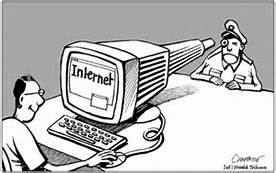
The waters still seem murky. Many companies don’t have policies around social media, but, with over 70% of online adults using Facebook, and the Internet-crazed Millennial generation now outnumbering Baby Boomers, they should look into putting some guidelines and policies into place.
Many companies, up to 60%, now research candidates according to Career Builder. Up to 48% of companies who have researched candidates have found reasons not to hire them. According to the site, reasons range from provocative photos, references to drug or alcohol use, badmouthing a former employer or colleague, poor communication skills, and discriminatory comments.
Although the retiring workforce does use the Internet (46% of those 65+, and 65% of those between ages 50-64), their numbers cannot compare to users in the younger, upcoming workforce (90% of those between 18-29).
The Millennial generation was born and raised in the digital age. Many of them have never heard of the Dewey Decimal System or know a life before cell phones. Their digital devices, and the Internet, have been their best way to research and connect. They are accustomed to throwing political views, photos, and personal experiences — good or bad — out into the cyber world. Many have already had the experience of poster’s regret, which might have taught them a lesson, but may also have blunted the idea of permanent mistakes. If one can delete a post and apologize, why not post away and worry later?
Thinking carefully about what your expectations are of employees, and addressing those expectations in writing, is an important step to consider.
We assume that most employees know they shouldn’t post anything that damages the reputation of the company, its products, and employees, but it may be best not to assume. A case study in a recent Harvard Business Review provides a perfect example of what can happen if policies aren’t put into place.
In his Time piece, “Why Monitoring Employees’ Social Media is a Bad Idea,” author S. Kumar argues that while monitoring candidates might make sense, monitoring current employees breeds a suffocating and intrusive atmosphere:
“By allowing workers to live their personal lives without intrusion, smart businesses can make a powerful statement; namely, that they accept them for who they are, treasure their professional contributions to the company, and want them to be happy and fulfilled outside as well as inside the office. This, in turn, would inspire loyalty and boost productivity in the workforce, and make those companies more profitable.”
However you feel about the topic of monitoring, and even censoring, it’s important to be clear with employees about expectations. A general statement about employee behavior and representation of the company might be enough to instill deeper forethought when employees post, comment, and like.
Do you monitor your employees’ social media accounts? Do you have a policy in place that covers personal social media activity?
A shipper used to Google "3PL in Atlanta" and click through ten websites. Now they…
The 10 questions to ask before hiring a supply chain marketing agency, plus red flags…
A step-by-step lead generation playbook for manufacturers: ICPs, buying committees, websites that convert, SEO, paid…
A practical SEO guide for 3PLs, freight brokers, and carriers: keywords, service and location pages,…
There's no shortage of supply chain content out there. The hard part is knowing which…
Editor's note: This post was originally published in June 2018 and has been updated for…